The Connection Between Energy Drinks and Eating Disorders
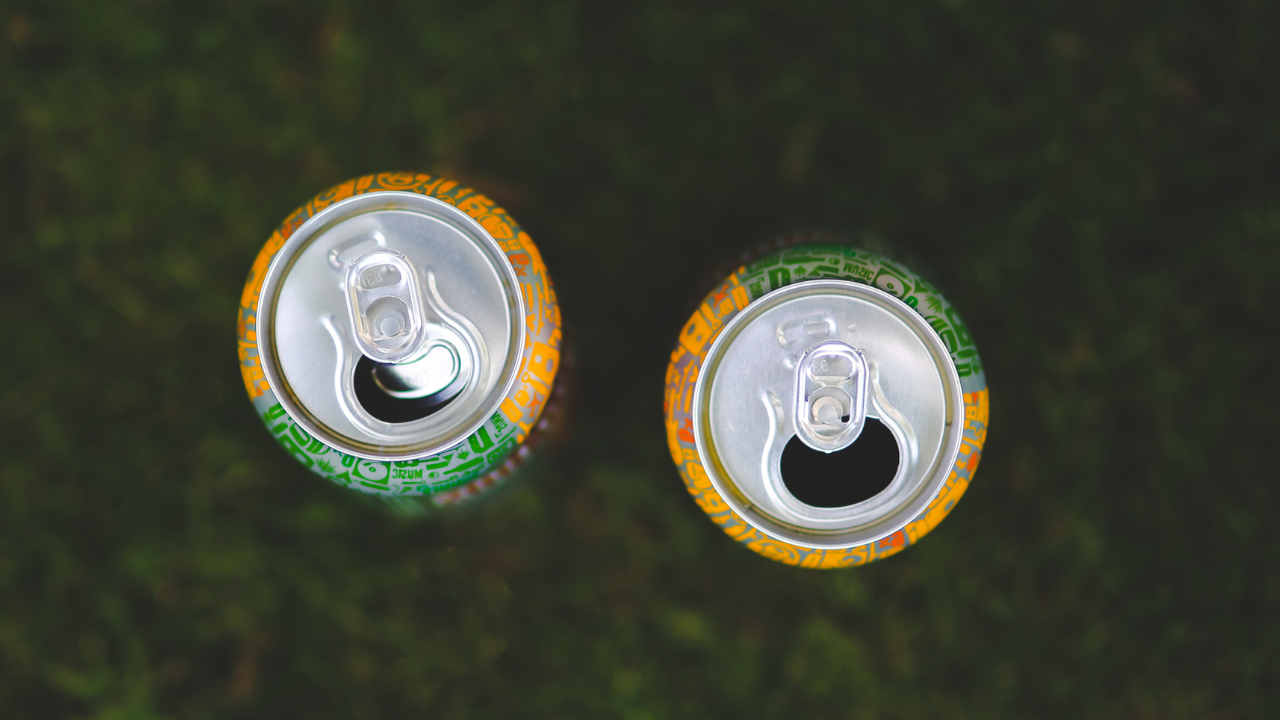
Fizzy, fruity, and… disordered? The bold-colored cans that line the walls of your local gas station may be the boost you seek to get through a long day. For those who struggle with an eating disorder, energy drinks may be an aid in their harmful behaviors. In this post, we will discuss the potential concerns that many dietitians have with the energy drink buzz.
Table of contents
What are energy drinks made of?
What makes an energy drink an energy drink? While each brand has slightly different ingredients claimed to boost energy and performance, there are some commonalities among them.
Caffeine
Most consumers choose energy drinks primarily for their caffeine content. At 200-300 mg caffeine per can, popular energy drinks such as Celsius, Bang, and Alani Nu offer more caffeine than a cup of coffee. Of course, there are some brands that have more and some that have less, just as coffee and tea beverages vary in their caffeine content. The amount of caffeine in most energy drinks energy drink will be listed on the product, as required by the American Beverage Association (ABA).
The Food and Drug Administration (FDA) has cited 400 mg of caffeine per day as the upper limit that is generally safe for adults. However, caffeine sensitivity varies drastically from person to person. Certain conditions and medications can also impact an individual's caffeine tolerance. Consuming too much caffeine can have serious health consequences so it is important to be mindful of your intake.
Your body will give you hints if you are consuming too much caffeine. Signs of excess caffeine intake include:
increased heart rate
heart palpitations
high blood pressure
insomnia or sleep disruptions
anxiety
jitters
upset stomach
nausea
headache
Sweeteners
If you are a consumer of energy drinks, you likely associate them with sweet and fruity flavors. Some energy drinks such as the original Monster and Red Bull are sweetened with sugar (similar to soda) while others use artificial sweeteners such as sucralose and acesulfame potassium (Ace-K) to decrease the total calorie content. With the rise of low-carbohydrate diets, the sugar-free options have especially increased in popularity.
Related post: The Ultimate Guide to Artificial Sweeteners
Vitamins
Have you every looked at the supplement facts label on an energy drink and noticed that it has 2000% of the daily value of a vitamin? Certain vitamins and minerals, especially B vitamins, are frequently added to energy drinks in excess amounts. Generally, this is because of their “energy boosting” properties. By adding certain nutrients to the product, energy drink producers can use this as a marketing tactic and make more grandiose health claims about their product.
It is true that many of the B vitamins do play the essential role of turning the food that we eat into fuel for our body to use. Also, being deficient in certain B vitamins, specifically vitamin B12, can lead to a type of anemia where our blood cells cannot carry oxygen effectively, leading to low energy levels and fatigue.
Inadequate intake of B vitamins can be detrimental, but deficiencies are quite rare. If you eat a varied diet, you are likely getting the B vitamins that you need. The main caveat to this would be those following a vegetarian or vegan diet, as animal proteins are a primary source of vitamin B12. Because of this, many individuals on a plant-based diet choose to add a vitamin B12 supplement to their routine.
B vitamins are also water-soluble, meaning that our body excretes excess through our urine. So the 2000% daily value in your energy drink is mostly coming out in your pee without really giving you any extra energy. Will the excess water-soluble vitamins cause harm? Probably not. But they also won’t have much benefit either.
Herbal ingredients
Some brands of energy drinks will also include various herbal ingredients in their products. Common herbals include guarana and ginseng.
Guarana is a plant native to the Amazon region of South America, especially Venezuela and Brazil and their seeds are best known for their caffeine content. Along with synthetic caffeine, guarana is a common source of caffeine in energy drinks. ABA members voluntarily label total caffeine from all sources, including guarana, on their label.
Ginseng is a popular adaptogenic herb marketed to increase stamina and improve cognitive performance. Teas and energy drinks commonly contain ginseng listed as “American ginseng” or Panax ginseng, but will also list the herb as “ginseng” or “ginseng root” or “ginseng extract.”, making it difficult to identify the origin of the ingredient. In dietary supplements, ginseng is sometimes combined with other ingredients in a proprietary blend, in which case the consumer cannot tell how much is added to the product.
Are energy drinks considered a supplement?
In the United States, energy drinks and their ingredients are regulated by the FDA under the Federal Food, Drug, and Cosmetic Act (FD&C Act). 95% of the energy drinks on the market are represented by the American Beverage Association (ABA), who provide further mandates for responsible labeling and marketing.
While mostof the big-name energy drinks comply with these FDA requirements by having a Nutrition Facts label, some products are considered a supplement. Popular examples include energy “shots”, such as 5-Hour-Energy.
Although the FDA regulates both dietary supplements and conventional foods under the Federal Food, Drug, and Cosmetic Act (FFDCA), the requirements for these products are different. This act mandates product safety and labeling but does not require proof of effectiveness before market release.
The link between energy drinks and eating disorders
Does every person who drinks an energy drink have an eating disorder? No, of course not! However, many individuals with restictive eating disorders will utilize energy drinks to aid in their disordered behaviors.
Appetite suppression
Caffeine can act as an appetite suppressant, making energy drinks a top choice for those with restrictive eating disorders. Energy drinks may also be complicit in disordered eating due to their fluid content and artificial sweeteners, both of which may also suppress appetite or simulate a feeling of fullness.
Related post: How to Honor Your Hunger
Increased energy without increased calories
Many individuals with eating disorders struggle with fatigue due to being undernourished. Your bodies use calories for fuel, so if you are not meeting your caloric needs, your energy levels will decline. When looking for a boost, low-calorie energy drinks other other caffeine sources may be the temporary fix that someone with an eating disorder is looking for.
But here’s the thing about caffeine - it doesn’t actually give your body energy, but rather masks fatigue. Caffeine is a chemical compound that provides an artificial, short-term “boost” by blocking adenosine receptors in the brain, which are responsible for signaling sleepiness.
Nutrients (primarily carbohydrates) provide our body with true energy. When you eat food, the body uses the nutrients to create ATP (adenosine triphosphate), which is lovingly referred to as the “energy currency” for our cells.
Again, this post is not “anti-caffeine”, but rather “pro-carbohydrate”. I love my morning cup of coffee as much as the next person. For most people, this is harmless enough as long as you are eating adequate meals and snacks.

Harmful messaging
Much of our decision-making when grocery shopping will depend on what we see on a food package. Unfortunately, we reside in a weight-centric society, which many food and beverage products have identified and capitalized on (or perhaps the marketing professionals are simply susecptible to diet culture as well. Food for thought).
Many energy drinks will make health claims on their can, stating that the product will burn fat, boost metabolism, and control appetite. Pair these claims with a conventionally attractive and thin spokesperson/influencer, and you can see how this would be triggering for someone with an eating disorder or folks at risk of developing one.
By emphasizing that what we consume should be “fat burning” and “metabolism boosting”, this messaging reinfornces the thin ideal and the myth that a smaller body is healthier. Not only are these health claims rarely rooted in sound scientific evidence, but they also pose risks to consumers. If you are told that a beverage can help you achieve the “ideal” body and improve your athletic performance, you may be tempted to overconsume such a product to reach your weight loss goals.
Increased anxiety
Caffeine is known to increase anxiety in some individuals. It is very common for folks with an eating disorder to also have an anxiety disorder. In fact, it is often the anxiety disorder that perpetuates the eating disorder.
Individuals that engage in disordered eating often do so for a sense of “control” - a perception that is often lacking in those with anxiety. In this way, the incline of anxious thoughts from excess caffeine may contribute to consequential disordered eating behaviors including restricting or purging as a way to regulate emotional distress.
If you or someone you love is struggling with an eating disorder, visit the National Alliance for Eating Disorders for resources and support.
Bottom line
While energy drinks may not be inherently harmful to one’s health, there are risks associated with their ingredients and marketing. As with all food and beverage choices, the intention behind making the choice matters just as much as the item you are consuming.
What did you think of this post? Leave a comment below!
Disclaimer: this post is for informational and educational purposes only and is not a substitute for professional medical advice.