Should You Be Taking a Creatine Supplement? | Dietitian Review
DISCLAIMER: Links included in this blog might be affiliate links. Health with Hannah, LLC is a participant in the Amazon Services LLC Associates Program along with other affiliate programs. If you purchase a product or service with the links that I provide I may receive a small commission with no additional charge to you. Thank you for your support!
Everyone is talking about creatine lately. While it used to be a supplement that only the gym bros were taking, research is showing that more and more groups of people can benefit from daily creatine supplementation.
In this post, I will explain what creatine is and who it may be beneficial for. I will also include some brands of creatine supplements that I recommend as a registered dietitian.
Table of contents:

What is creatine?
Creatine is a substance that is made up of three amino acids: arginine, glycine, and methionine. Your body stores creatine primarily in your muscles, where it's used for energy.
Your liver, pancreas, and kidneys make about one gram of creatine on their own each day. We also typically get a gram or two daily from protein-rich foods. The food sources with the most creatine are red meat (pork and beef) and seafood and we can also get small amounts from dairy and eggs. Of note, some creatine is lost during cooking. To reach the dose of creatine that has been shown to have ergogenic (i.e. performance-enhancing) effects, supplementation may be utilized.
What are the benefits of a creatine supplement?
Creatine is one of the most well-researched ergogenic nutrition supplements currently available for athletes and physically active adults. With so many gimmicky supplements out there, creatine shines bright as an evidence-based sports performance aid. As always, I recommend looking for a supplement that has been through third-party testing for safety and label accuracy (look for NSF Certified for Sport or Informed Sport labels on the product).
While our body makes creatine and we can also get it from food, we likely are not making or eating enough to get the full benefits. This is where supplementation may come in. Creatine supplementation has been shown to promote improvements in strength and power in high-intensity exercise performance (think weight lifting and sprinting). This is because creatine helps adenosine triphosphate (ATP) - our cell’s energy currency - get to the muscle cells. When your muscle cells are able to work more efficiently, you will cultivate an environment for more gains in muscle mass and strength (when combined with a resistance training program).
Creatine supplementation is also associated with enhanced recovery, injury prevention, thermoregulation, and even cognition and brain health, although more research is needed in these areas.
Vegetarians may specifically benefit from a creatine supplement. Intramuscular creatine stores are typically lower in vegetarians, as they do not obtain creatine through animal proteins. Because of this, plant-based athletes may experience a greater response to supplementation.
It is important to note that creatine is not a magic solution to muscle growth and sports performance. Creatine supplementation will only be effective when combined with strategic nutrition, training, and sleep practices.
Related post: What to Eat Before and After a Workout
If you are pregnant, breastfeeding, have diabetes, kidney disease, or liver disease - talk to your healthcare provider before starting a creatine supplement.

Should women take creatine?
Although creatine has stereotypically been promoted by buff dudes in the gym, women can benefit from creatine too. Creatine supplementation is generally safe for women* and may even be more beneficial for us as our endogenous creatine (i.e. the creatine that our body makes on its own) is lower than men.
Starting during perimenopause, women experience decreases in their estrogen levels that can lead to a decline in muscle mass and bone density. When combined with resistance training and a diet rich in calcium and vitamin D, creatine supplementation may help maintain muscle and bone mass in older females, who are at increased risk of osteoporosis.
*In an effort to use more inclusive language, I typically will refrain from using the binary terms “men” and “women” and rather use terms such as “assigned male/female at birth”. In this case, “women” is the term used in the scientific studies. The research applies to individuals with female sex hormones, regardless of chosen gender identification.
How many grams of creatine should you take?
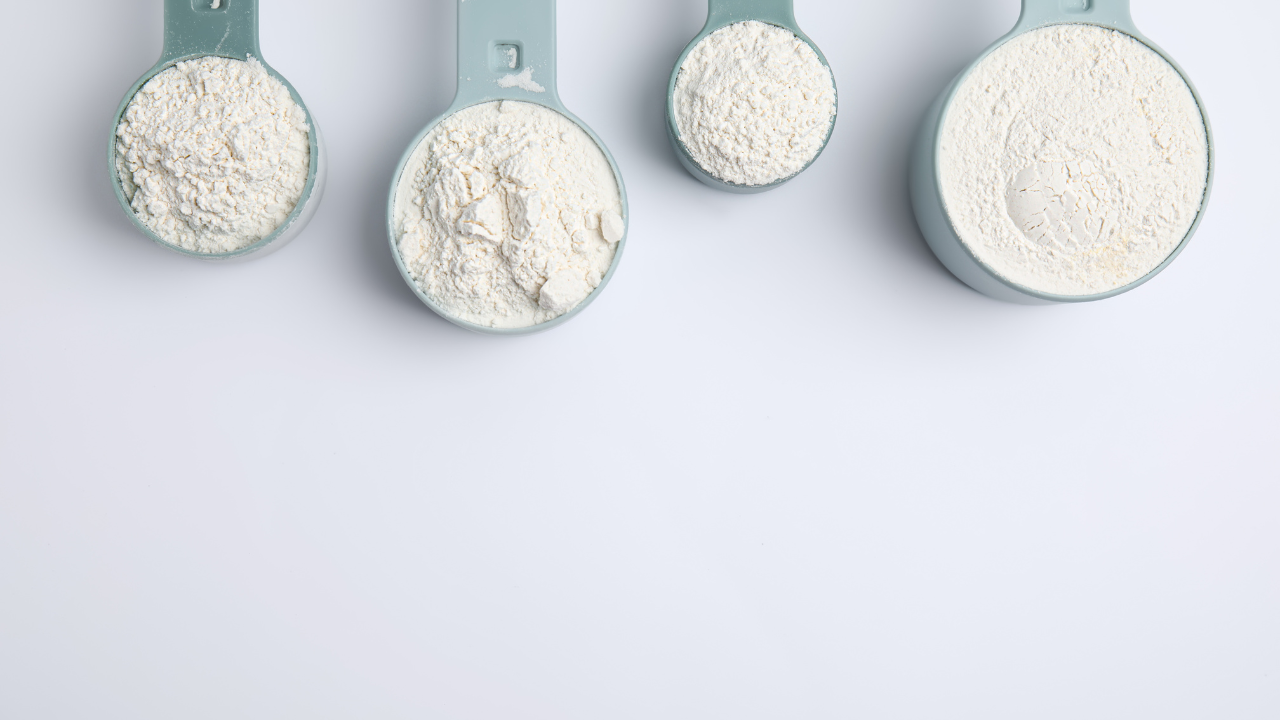
The standard dosage of creatine monohydrate supplementation is 3-5 grams per day. This is what I recommend for most people. For reference, most creatine powder supplements come with a 5 gram scoop.
Some individuals may choose to to do a loading phase, consuming up to 20 grams of creatine per day (split into 4-5 servings) for about a week and then tapering off to the standard dose. Theoretically, the loading phase will build up the “energy inventory” in your muscles that you can then tap into during exercise. However, this is unnecessary for most people. Taking the smaller recommended dose of 3-5 grams daily will just as effectively saturate your muscle cells with creatine, it will just take a little bit longer. Creatine loading may also come with side effects such as upset stomach, diarrhea, elevated blood pressure, and possible stress to the kidneys. Slow and steady wins the race with this one.
It is also not necessary to cycle your creatine dose. Creatine is considered generally safe at the 3-5 grams per day dosage, so sticking with this is your best bet. Plus, many people end up “falling off” of their supplement routine from time to time simply due to running out of the product or forgetting to take it, creating sort of a cycle in that way.
TLDR: it is generally recommended to take the maintenance dose of 3-5 grams of creatine every day. No need for loading or cycling.
What are the best types of creatine?
The most commonly used form of creatine is creatine monohydrate. This form is well absorbed and has the most research to back its uses. Those in the sports nutrition world tend to claim that powdered creatine monohydrate is king.
Another supplemental form of creatine is creatine hydrochloride (Creatine HCl). This form is marketed for its improved solubility and higher concentration, but it tends to be more expensive and there is less evidence to support it.
Always avoid supplements with a “proprietary blend”, which is a collection of ingredients listed as one item on a supplement facts label. Proprietary blends do not specify the amount of each ingredient in the supplement, but rather just the total weight of the blend. When it comes to creatine supplements, this means that the product may not even contain an efficacious dose of creatine. In other words, you are likely wasting your money.
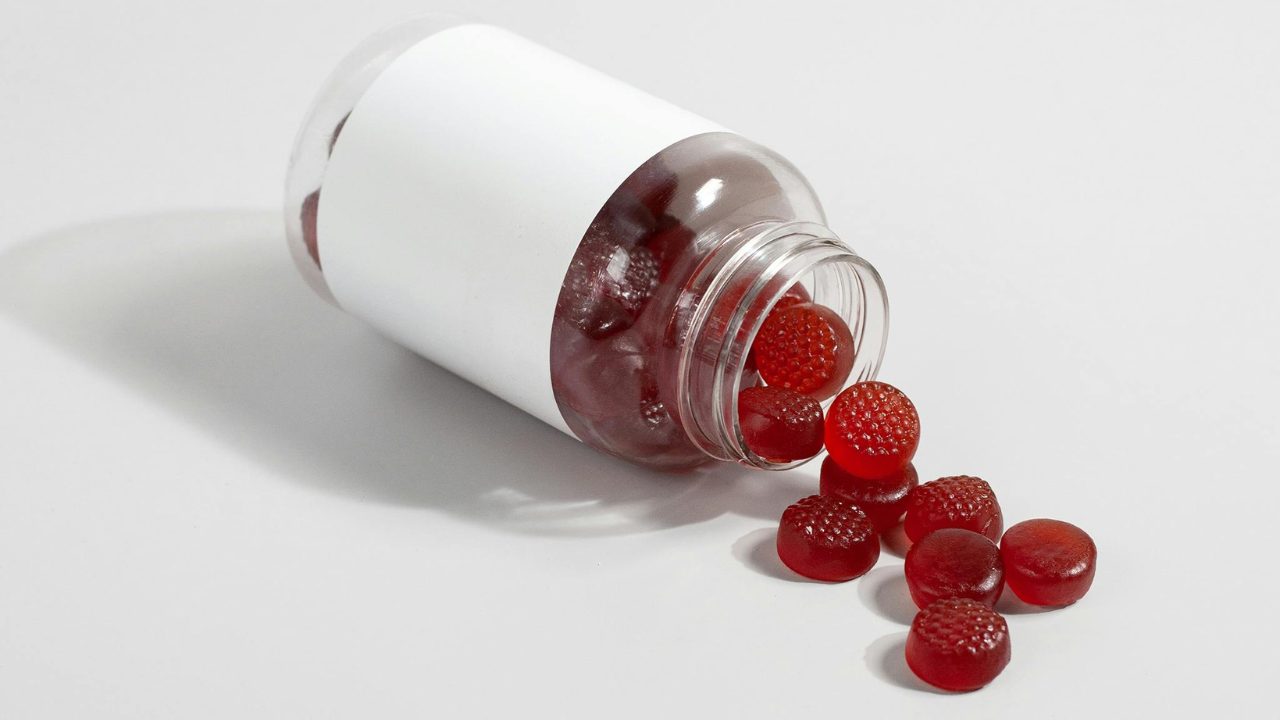
Do creatine gummies work?
In short, no. You are better off using a creatine powder.
Most creatine gummies do not contain an effective dose at the listed serving size. To get a true ergogenic dose, you may need to consume much more than the serving size, making the cost much higher than taking creatine in powdered form.
Now Foods recently tested several creatine gummies and found that many of the products had less creatine than they claimed on the label. The gummies also tended to have high levels of creatinine - a waste byproduct of creatine - meaning that the supplement has already degraded before you take it, rendering it useless.
What is the best method to take creatine?
This is something I have been dabbling with myself lately. Do I dry-scoop? Mix in water? Or coffee?
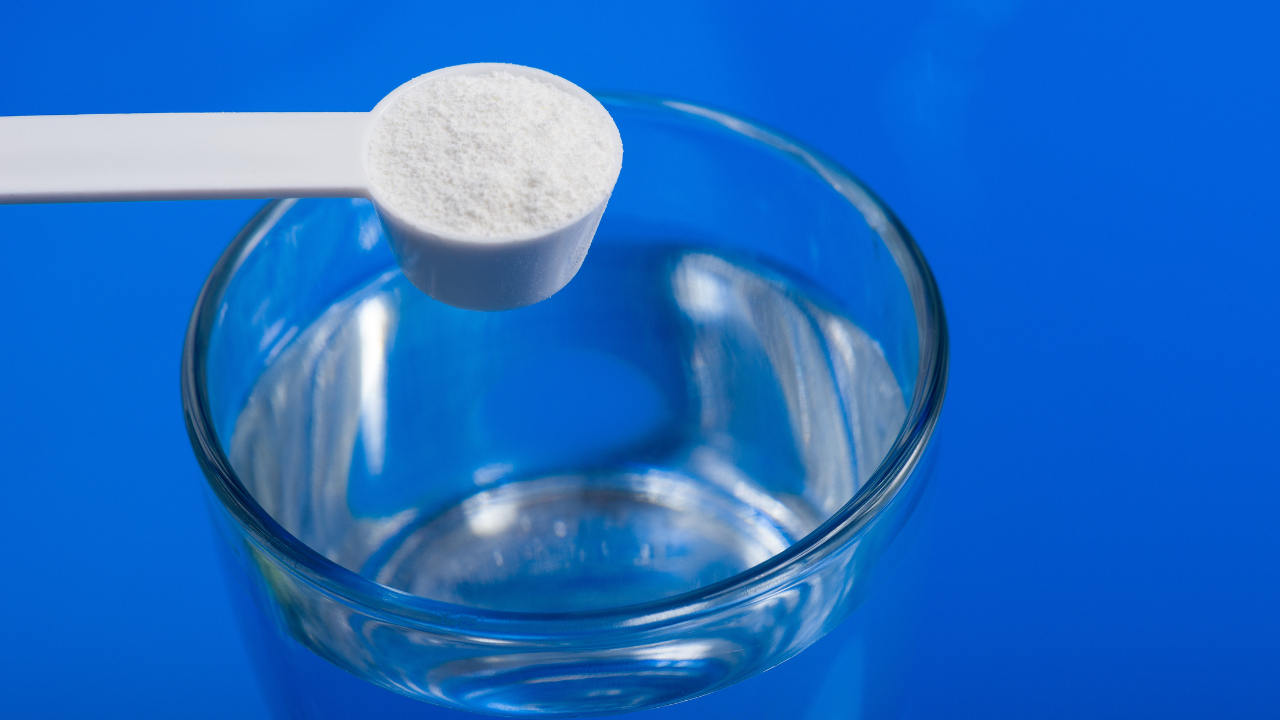
Ultimately, the “best” way to take creatine is the way that you can do consistently. Most creatine monohydrate powders do have a gritty texture to them, even when mixed in liquid. I have found that I best enjoy creatine powder mixed in a serving of applesauce or yogurt.
Another factor to consider is that the effectiveness of creatine decreases when it sits in liquid for a long time. Creatine is stable in solid form, but not in aqueous solution. When in an unstable environment, creatine will degrade to a byproduct known as creatinine, which is a waste product that is filtered out of the blood by the kidneys. So if you are adding creatine to a beverage that you sip on over a few hours, you may not be getting the most benefit from the supplement. If you do prefer adding creatine to a beverage, just keep in mind that you may need to finish the beverage rather quickly or perhaps take it sort of like a shot (bottoms up!).
Should I take creatine before or after exercise?
It used to be believed that creatine should be taken 30 minutes before exercise to see the most benefit. However, timing actually does not matter much and you do not need to take creatine before or after your workouts. What is more important is taking creatine daily, even on days that you do not exercise. Take the supplement whenever it fits into your daily schedule.
Dietitian-approved creatine supplements
Ready to add a creatine supplement to your routine? Theses are a few trusted brands that I recommend as a registered dietitian. Remember to look for verification of third-party testing on all supplements.
Naked Creatine

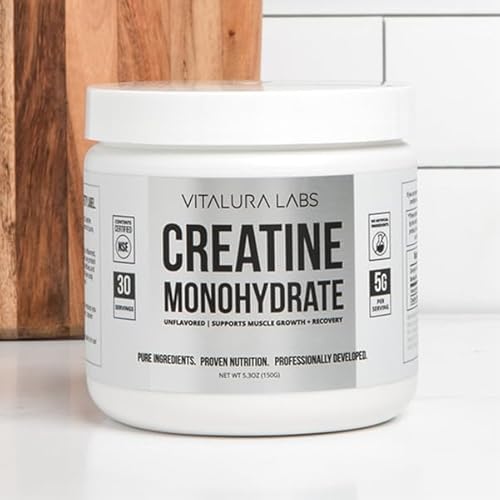
Vitalura Labs Creatine
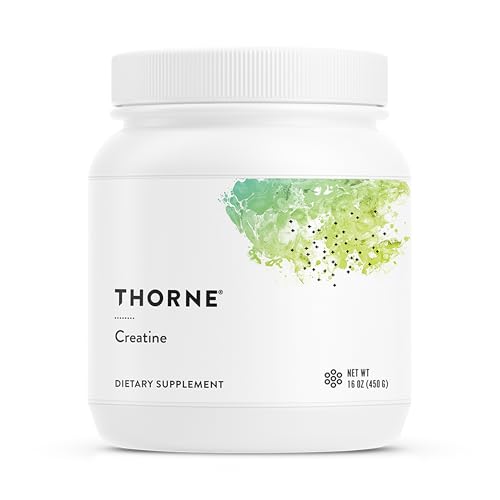
Thorne Creatine
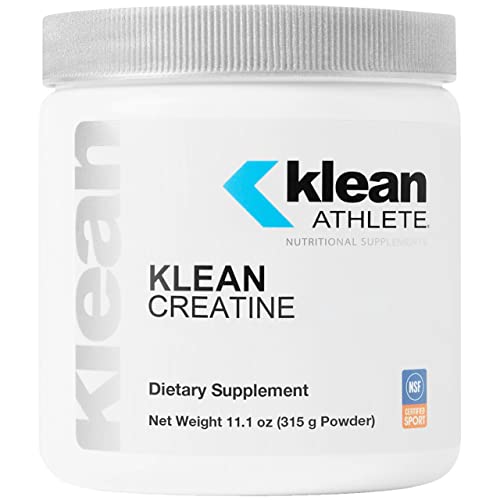
Klean Athlete Creatine
Momentous Creatine

NOW Creatine

Bottom line
Creatine monohydrate is a well-studied sports performance supplement that may offer additional benefits as well. Our body naturally produces creatine to provide energy to the muscle cells and we also get creatine through some protein-rich foods, however we typically do not make or eat enough to see ergogenic effects. Most physically active individuals would benefit from a creatine supplement. As with any supplement, choose a product that is third-party tested from a trusted brand.
What did you think of this post? Leave a comment below!
Disclaimer: this post is for informational and educational purposes only and is not a substitute for professional medical advice.