GAHA: The Evidence-Based Response to MAHA
This sponsored post was written in collaboration with Growing a Healthier America. All opinions are my own.
If there is one thing that most humans have in common, it is that we all want safe food to eat - not only for ourselves, but for our loved ones and our communities as well. This has allegedly been one of the foundational principles of the Make America Healthy Again (MAHA) movement. The MAHA initiative was founded to take strides for a healthier America throughout Donald Trump’s presidential term. However, not all of the MAHA actions have been rooted in evidence-based science.

What is MAHA?
Make America Healthy Again (MAHA) is a political movement that began in February 2025 at the start of President Trump’s second United States presidential term. MAHA is primarily led by Robert F. Kennedy Jr., who serves as the Secretary of Health and Human Services.
MAHA’s primary belief is that there is a chronic illness epidemic in the United States that could be eradicated by healthier lifestyle choices. Unfortunately, MAHA’s strategies do not address the root causes of poor nutrition and the movement has even included legislative actions that may worsen health outcomes.
The Issues with MAHA
As a registered dietitian, I am in full support of reform to improve the overall health status of our country. But there are much bigger systemic issues at hand that won’t be alleviated by banning food dyes and seed oils. Focusing on one-off nutrition topics distracts from addressing the systemic issues that drive chronic disease.
How will the health of American children be improved by banning seed oils and Red40 if they don’t even have access to school lunch? Or if cutting funds to the Supplemental Nutrition Assistance Program (SNAP) means that there are not enough groceries at home for the family?
We cannot eat “healthier” if we are not even able to eat enough. Millions of Americans remain at risk for malnutrition and chronic conditions due to limited access to affordable and nutritious food. Unfortunately, the MAHA report fails to even acknowledge the correlation between food insecurity and chronic disease. So before we start nitpicking ingredients, I suggest we start with making sure everyone has fresh, safe food on the table if we really want to improve the health of American citizens.
MAHA also claims to be making groundbreaking discoveries in the realm of nutrition science. But why are these “state-of-the-art” studies needed right now when there are mountains of evidence to support the nutrition guidelines that are already in place? Not to mention that the Trump administration has gutted the institutions responsible for carrying out these studies.
Additionally, nutrition policies and guidelines cannot be based on one or two new scientific articles. In order to be considered high-quality evidence, the scientific findings need to be replicated many times with different variables. One “groundbreaking” study is not enough to create a new policy or guideline.
In short, the MAHA initiative falls short of delivering the solutions needed to facilitate long-term, sustainable change to the health of Americans.

MAHA and Seed Oils
While seed oils have been in the hot seat for a few years, they have been especially rebuked by MAHA. The controversy around seed oils stems from their chemical makeup as well as the way they are refined. Canola oil and other seed oils are claimed to be inflammatory, highly processed, and a poor choice for cardiovascular health.
The MAHA report, initially released in May 2025, states the following regarding seed oils:
“Over the course of the 20th century, U.S. dietary fats shifted from minimally processed animal-based sources like butter and lard—rich in fat-soluble vitamins A, D, and E, supporting brain and immune health—to industrial fats from refined seed oils, such as soybean, corn, safflower, sunflower, cottonseed, and canola. Industrial refining reduces micronutrients, such as vitamin E and phytosterols. Moreover, these oils contribute to an imbalanced omega-6/omega-3 ratio, a topic of ongoing research for its potential role in inflammation.”
At first glance, this statement may appear legitimate. And using terms such as “refined”, “industrial”, and “inflammation” make seed oils seem like the villain. But what does the science say?
The Truth About Seed Oils
First things first - what classifies a seed oil? Seed oils are vegetable oils obtained from the seed (endosperm) of some plants. They may be used in your kitchen for cooking and baking and they are also found in many different processed foods such as packaged snacks. Examples of seed oils include soybean, corn, canola, cottonseed, rapeseed, grapeseed, sunflower, and safflower. Canola oil is one of the more popular seed oils that has been in the hot seat due to its presence in packaged foods.
Seed oils and industrial refining
Let’s address the industrialization and refinement of oils and how that impacts their nutrient profile. The derogatory term “industrial fats” stems from the fact that hexane is used in the production of canola oil (and some other seed oils). Hexane, a petroleum-derived solvent, is used to extract the oil from plants. But here’s the part that the anti-seed oil folks forget to mention - the hexane is extracted from the oil after processing. This is a very efficient process and we intake very little hexane from seed oils. You likely ingest more hexane from gasoline fumes than you do from eating canola oil.
The fact that an ingredient is used both in food as well as for industrial use tells you nothing about that ingredient. Exhibit A - water. “Industrial water” is used for producing chemicals, transporting products, and other systems. Does this mean that water is toxic? Of course not. It just means that it serves more than one purpose beyond just human hydration. There are different grades of ingredients - the food grade canola oil that we eat is not the same grade of oil that they sell at Auto Zone.
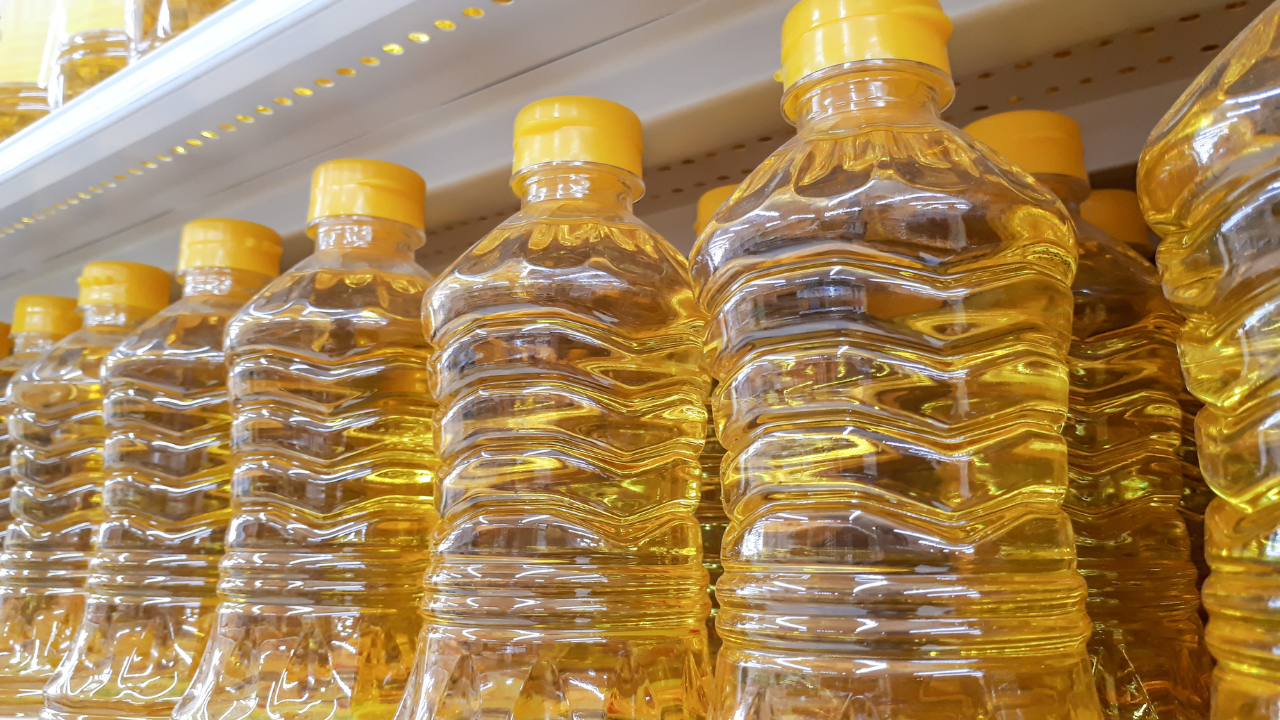
As for the micronutrient content of seed oils, each oil has a slightly different nutrient profile. Canola oil, for example, is a good source of vitamin E, vitamin K, as well as phytosterols (plant sterols). Even though it is “highly refined and processed”, the canola oil on the shelves can provide you with these essential nutrients.
Seed oils and inflammation
Omega-6 fatty acids, which are prevalent in seed oils, are the main suspect being charged with causing inflammation. The claim is that the body converts linoleic acid, an omega-6 fatty acid, into arachidonic acid, which can be a building block for molecules that promote inflammation and blood clotting.
But here’s the kicker - the body also converts arachidonic acid into molecules that calm inflammation and fight blood clots. Additionally, the body converts very little linoleic acid into arachidonic acid, even when linoleic acid is abundant in the diet. It’s important to remember the dosage of how much we’re consuming. Too much of any nutrient can cause problems.
When eaten in replacement of saturated fats, omega-6 fatty acids can be heart healthy by lowering LDL (the “bad” cholesterol”) and boosting HDL (the “good” cholesterol). Studies show that rates of heart disease decrease as consumption of omega-6 fats increase.
Some critics argue that diets with a ratio higher of omega-6 fatty acids to omega-3 can cause inflammation. But common sources of omega-6 fatty acids like canola oil and other vegetable oils are frequently found in food that are also high in saturated fats, added sugars, and total calories, all of which may also contribute to inflammation. How can we pinpoint who is actually to blame?
Seed oils and cardiovascular health
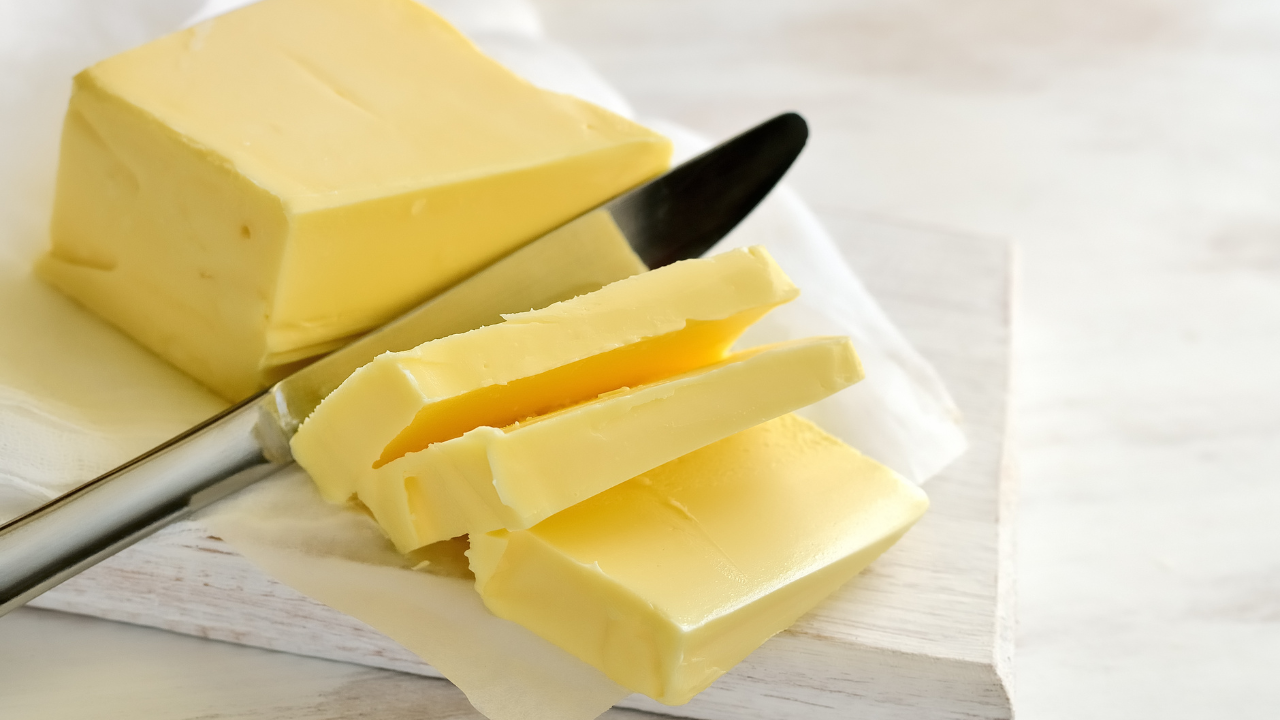
The MAHA report emphasizes the benefits of animal-based fats such as butter and lard, and encourages consumers to choose these over seed oils. While I am a strong advocate for enjoying all foods in a balanced diet, it is untrue that butter and lard offer more nutritional benefit. More specifically, animal-based sources of dietary fat tend to have higher amounts of saturated fats, which are well known to increase risk of heart disease. There is decades of science to support that excess intake of saturated fats can raise cholesterol levels. As mentioned above, there is also evidence to support that replacing saturated fats with polyunsaturated fats may reduce cardiovascular disease risk.
Other benefits of seed oils
The cost of food is a very large deciding factor of food choices for many people. Oils such as canola oil are generally much more affordable than pricier alternatives.
Seed oils such as sunflower oil and canola oil also have high smoke points, making them a versatile option to have in your pantry.
MAHA and Ultra-Processed Foods
The MAHA report targets ultra-processed foods (UPFs) specifically, claiming that the rise in UPF consumption has led to nutrient depletion, increased caloric intake, and the inclusion of food additives. Per the MAHA report, a diet centered on whole foods is linked to decreased rates of chronic illness.
Here’s the thing - I agree that we should be paying attention to UPFs and their impact on health. As a dietitian, of course I am not recommending a diet solely of potato chips and soda. However, we cannot ignore how UPFs tend to be more affordable than “whole foods”, making them the only option for those who are food insecure. We also cannot ignore how many Americans rely on the convenience of UPFs to feed themselves and their families. Single parents, working parents, college students - so many Americans have very little time left to dedicate to cooking meals from scratch. And what about those with disabilities who are unable to cook? Ready-made meals and snacks help so many people nourish themselves.

The Truth About Ultra-Processed Foods
Once again, let’s start with definitions. What are processed foods? Simply put, processed foods are foods that are altered from their original state. This may come as a surprise, but most foods that we eat are processed in some way. Forms of food processing may include freezing, cutting and chopping, canning, cooking, and drying.
When you hear the term "processed foods", you might picture cheese puffs and bologna, but baby carrots and almonds are also processed foods. Less processed, sure. But still processed. Food processing actually occurs on a spectrum.
Some foods just go through light processing, such as canned corn, nut butter, and ground beef, for example. Comparatively, only a few steps are needed to process these types of foods.
Other foods are more highly processed, such as soda, salami, and ice cream. These highly processed foods require many more steps (and often ingredients) to get them from their starting form to the finished product that you find on the shelves. By some definitions, these would be considered ultra-processed foods.
UPFs are foods that are formulated for shelf life and/or palatability. These foods are frequently demonized, not only by MAHA but by the general media and even some healthcare providers. And I get it - we likely won’t be our healthiest if we only consume the stereotypical UPFs. But there are actually many UPFs that are quite nutrient dense. Some examples include canned salmon (high in protein and omega-3 fatty acids), chia seeds (rich in fiber, protein, and omega-3 fatty acids), and canned beans (high in fiber and iron).

Once again, processed foods also help us to feed ourselves. And as I have mentioned, eating enough is the first step to improving our health. If you rely on convenience items like enchilada sauce, quick-cook rice, pasta sauce, and frozen waffles, that is okay! These processed foods make our meals taste good, help us cook more at home, and ultimately ensure that food is going into our belly.
It is true that whole foods are often nutritious. But just because fresh, whole foods are nutrient dense, this does not mean that processed foods are "unhealthy".
Food and nutrition do not exist in a binary - foods are not "good" or "bad". They just contain different ratios of nutrients and serve different purposes. Not to mention that it is okay to eat for reasons beyond just getting nutrients in! Food is fun, food is emotional, food is cultural, food is comfort.
The bottom line is that it is possible to recognize that whole foods can be nutrient dense and health promoting without demonizing processed foods. All foods can fit.
Growing a Healthier America (GAHA) has entered the conversation to provide much-needed credible information from trusted voices, including registered dietitians, farmers, and food manufacturers. I have partnered with GAHA to provide clarity on the current nutrition-related discourse, specifically regarding seed oils and ultra-processed foods.
Disclaimer: this post is for informational and educational purposes only and is not a substitute for professional medical advice.